
風と海のみらいラボ
Wind and Ocean Future Lab
By UTokyo Ocean Awareness




次世代エネルギーの
未来をともに考える
Shaping the Future of Next-Generation Energy — Together
技術開発だけでなく、市民一人ひとりが理解し、ともに考えることが必要です。UTokyo Ocean Awarenessは、研究者・市民・産業をつなぎ、次世代エネルギーの未来を共に描く活動です。
How will new energy be used in society?
How can it become part of our everyday lives? Technology alone isn’t enough — it takes every citizen’s understanding and thinking together.
UTokyo Ocean Awareness connects researchers, citizens, and industry to collectively shape the future of next-generation energy.
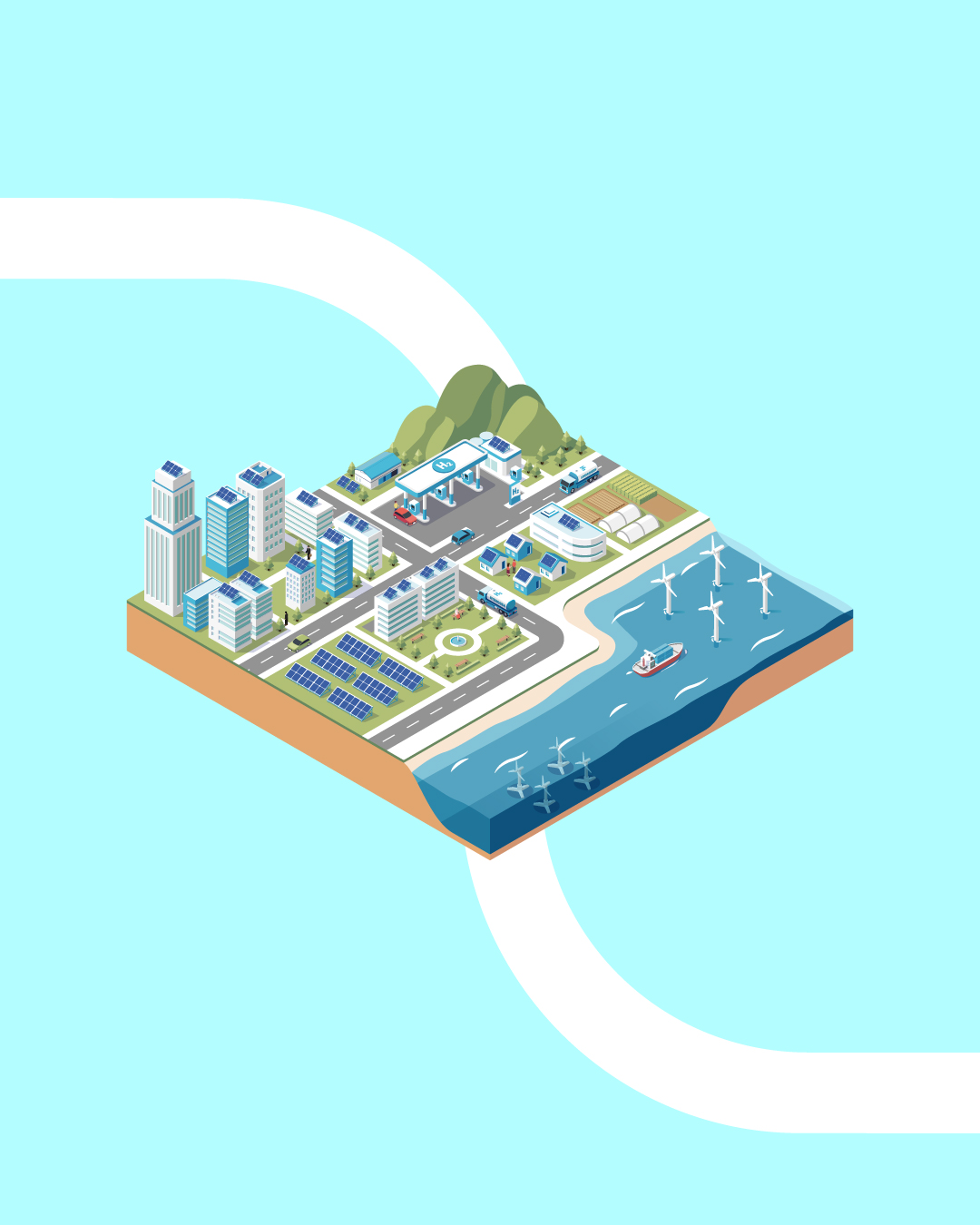
次世代エネルギー
Next-Generation Energy
From solar and wind to tidal currents and hydrogen, a diverse range of clean energy sources are shaping our future. The challenge ahead is finding the right mix for each community and way of life — and that’s a conversation we need to have together.
洋上風力
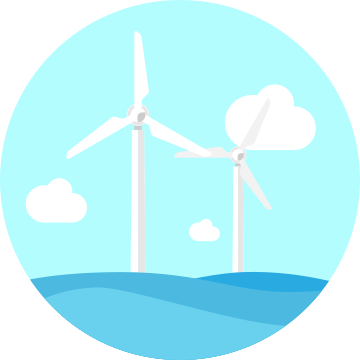
Floating Offshore Wind
海の上に設置された風車で風を受け、電力を生み出す再生可能エネルギーです。陸上に比べて風が強く安定しているため、より多くの電力を効率よく発電できます。四方を海に囲まれた日本では、次世代エネルギーの重要な柱として期待されています。
Offshore wind power generates electricity using wind turbines installed at sea. Because winds over the ocean are stronger and more consistent than on land, offshore turbines can produce greater amounts of electricity more efficiently. Surrounded by the sea on all sides, Japan sees offshore wind as a key pillar of its next-generation energy.
潮流発電
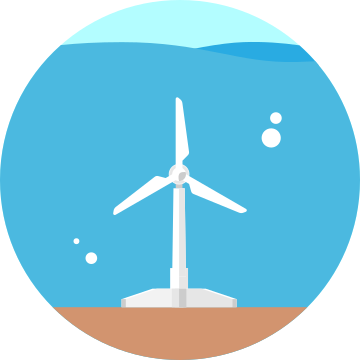
Tidal Current
海の中を流れる潮の力を利用して電力を生み出す再生可能エネルギーです。潮の満ち引きは天候に左右されず予測できるため、安定した電力供給が期待できます。複雑な海岸線と強い潮流を持つ日本は、潮流発電のポテンシャルが高い国のひとつです。
Tidal current power generates electricity from the natural flow of ocean currents created by the rise and fall of tides. Unlike solar or wind, tidal flows are predictable and unaffected by weather conditions, promising a highly reliable and steady supply of energy. With its complex coastlines and strong currents, Japan holds great potential for tidal energy development.
太陽光
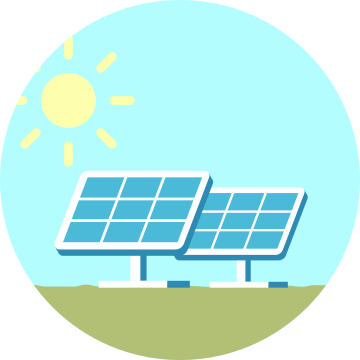
Solar Power
太陽の光エネルギーをソーラーパネルで受け取り、電力に変換する再生可能エネルギーです。住宅の屋根から大規模な発電所まで、さまざまな規模で導入できる手軽さが特徴です。日本では家庭への普及が進み、もっとも身近な再生可能エネルギーとなっています。
Solar power converts sunlight into electricity using photovoltaic (PV) panels. Its greatest strength is versatility, as it can be deployed at any scale, from rooftop panels on homes to large utility-scale power plants. In Japan, solar has become the most familiar form of renewable energy, widely adopted in households nationwide.
水素
Hydrogen
水素を燃料として利用し、電力や熱を生み出すクリーンなエネルギーです。燃料電池の中で水素と酸素を反応させて発電し、排出されるのは水だけです。再生可能エネルギーで水を電気分解してつくる「グリーン水素」は脱炭素社会の切り札として注目されています。
Hydrogen energy uses hydrogen as a clean fuel to generate both electricity and heat. In a fuel cell, hydrogen reacts with oxygen to produce power, with water as the only byproduct of the process. “Green hydrogen,” made by splitting water with electricity from renewable sources, is attracting worldwide attention as a key to a carbon-neutral society.
参加型デザインで市民とともに
We involve citizens through participatory design
3つのステップでつなぎます。
We bridge the gap between ocean technology and public understanding through a three-part framework.

Think
We hold workshops with local communities to think together about ocean energy, growing ideas from local voices and everyday life — not just technology.

Learn
We make next-generation energy — offshore wind, tidal power, and more — fun to learn. Quizzes and hands-on tools help everyone, from kids to adults, understand through experience.

Create
We turn citizen ideas into real things — co-designing learning kits, digital tools, and prototypes that connect local imagination to real-world impact.
ワークショップの実践
Our Workshops in action
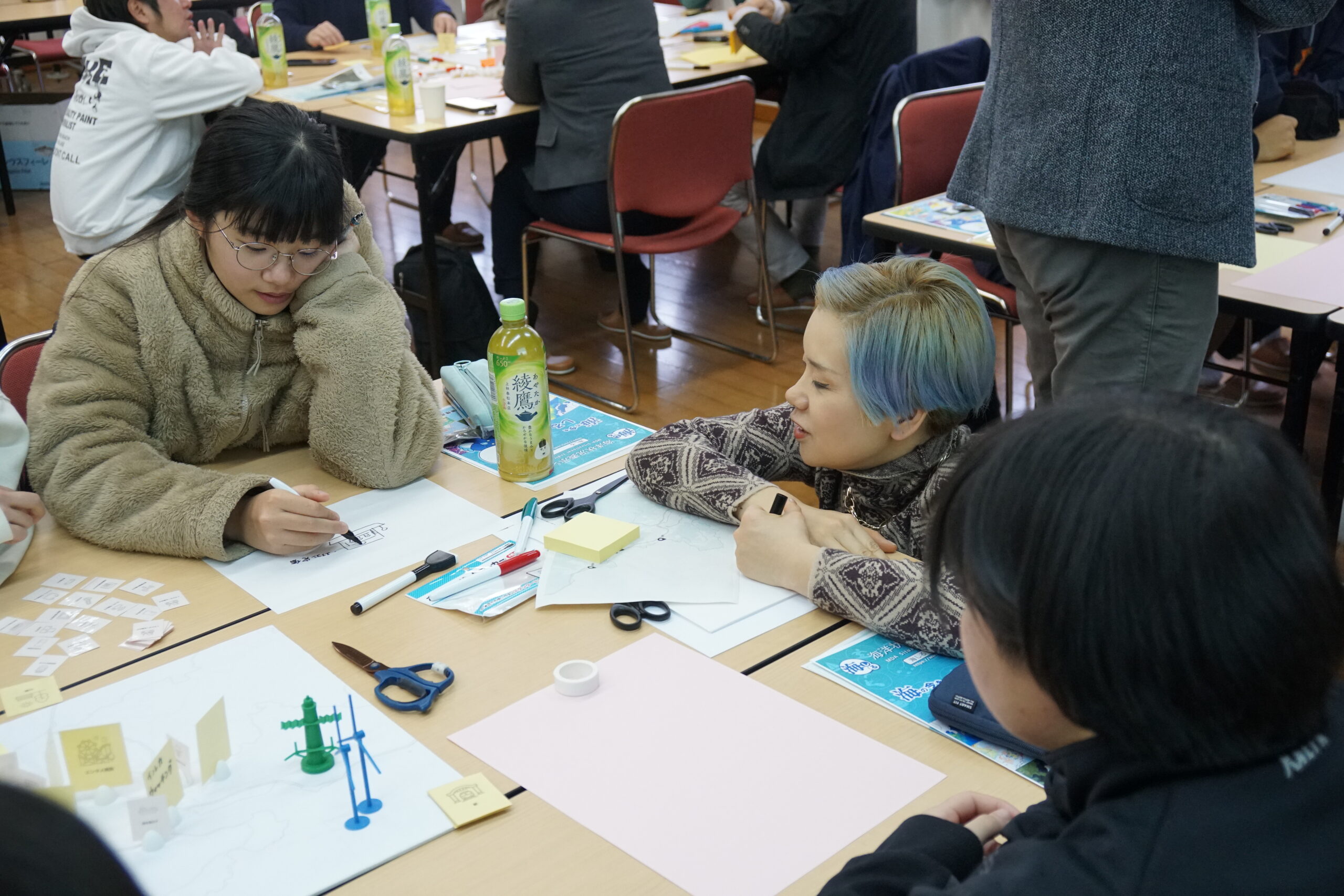
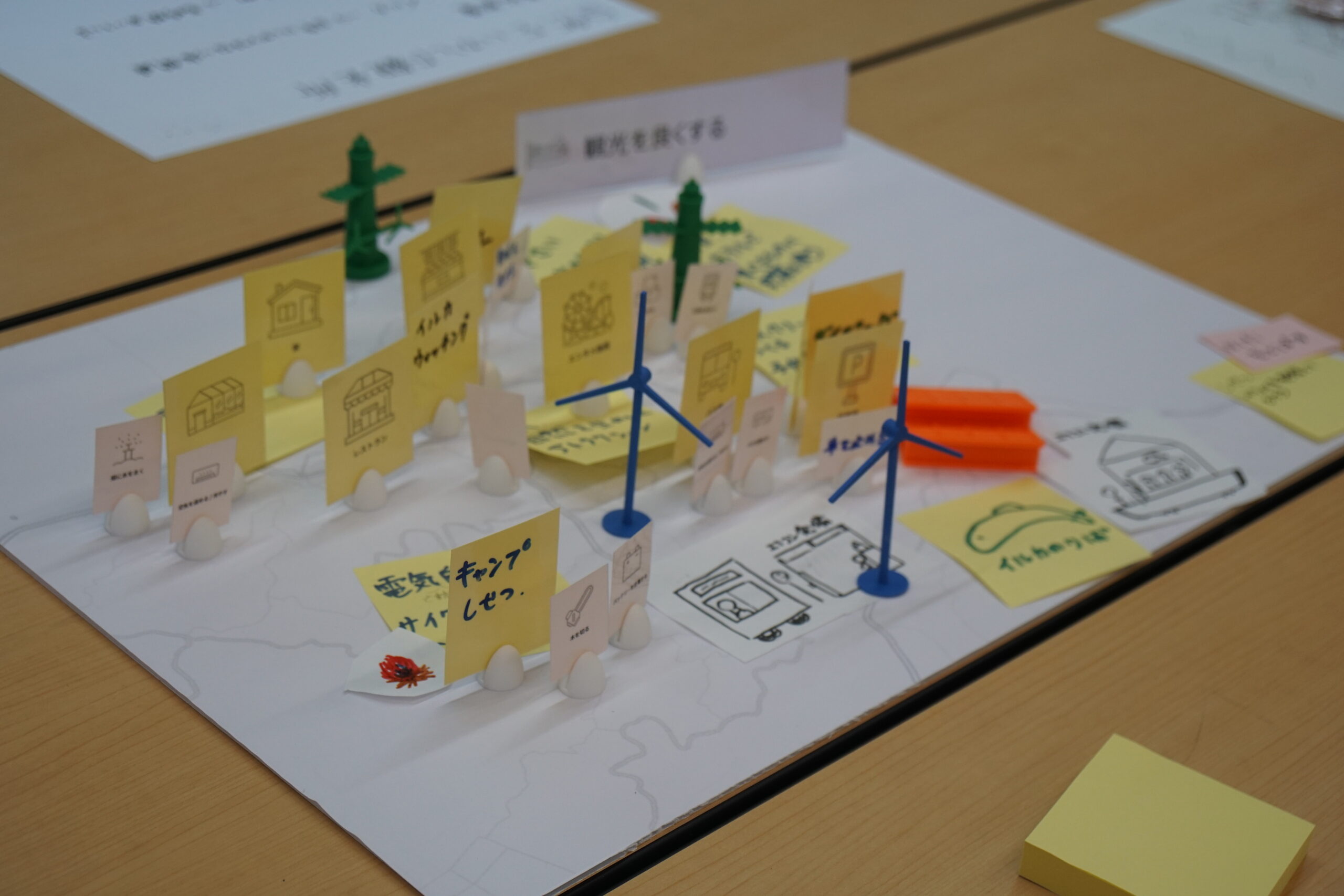
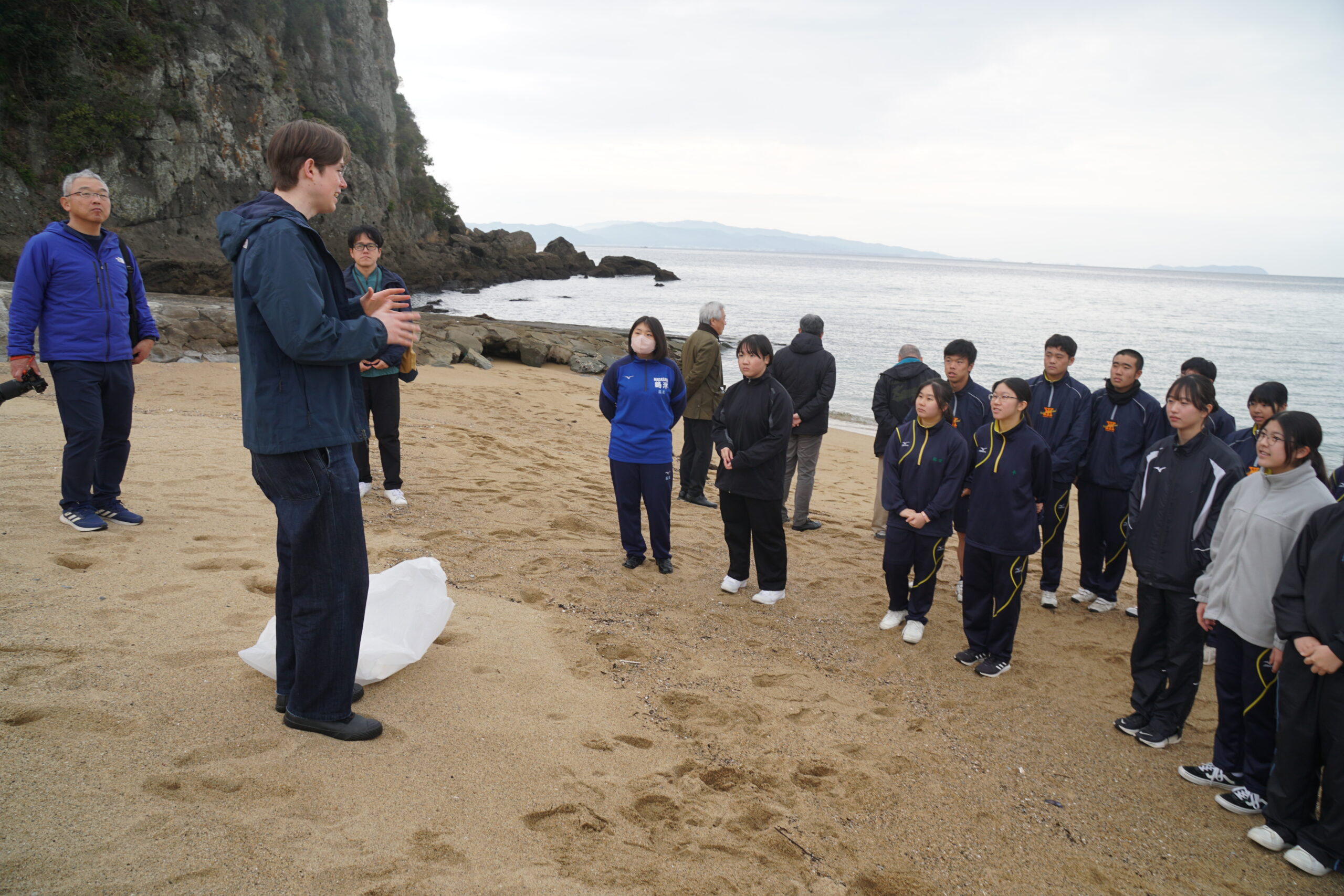
In February 2026, 30 high school students in Minami-Shimabara, Nagasaki, were given a physical toolkit: 3D-printed offshore wind turbines, solar panels, tidal energy models, community destination cards, and a blank map of their own region. Their task — design how renewable energy would flow through their town. Using coloured string to connect power sources to hospitals, farms, fishing ports and schools, each team mapped out an energy future for their own community.
これからの展望
Where we’re heading next
Building on community insights and academic expertise, we’re developing three interconnected innovation areas.
海のテクノロジーへの理解Understanding Ocean Technology
We make offshore wind and ocean technology easy to understand through hands-on tools and exhibitions — nurturing public understanding and empathy as the foundation for the future of the sea and its communities.
デザインが生む産業イノベーション
Design-Driven Industry Innovation
Through design, we envision new businesses and services around offshore wind — inspiring local companies and industries with tangible ideas, and inviting them to take an active role in this emerging field.
地域の人材エコシステム
Nurturing Regional Talent Ecosystem
Working with a wide range of generations — from elementary school children to university students — we nurture the next generation supporting the future of offshore wind, building a talent ecosystem rooted in local communities.
チーム紹介
Our Team
UTokyo Ocean Awareness brings together two University of Tokyo labs — linking citizen-participatory design with energy strategy expertise.

左右田智美
Tomomi Sayuda
クリエイティブディレクター
東京大学生産技術研究所 助教
Creative Director
Research Associate at Institute of Industrial Science, The University of Tokyo
Experience designer specialising in citizen-participatory science. MA from the Royal College of Art. Grand Prix winner, WIRED Creative Hack Award 2023.
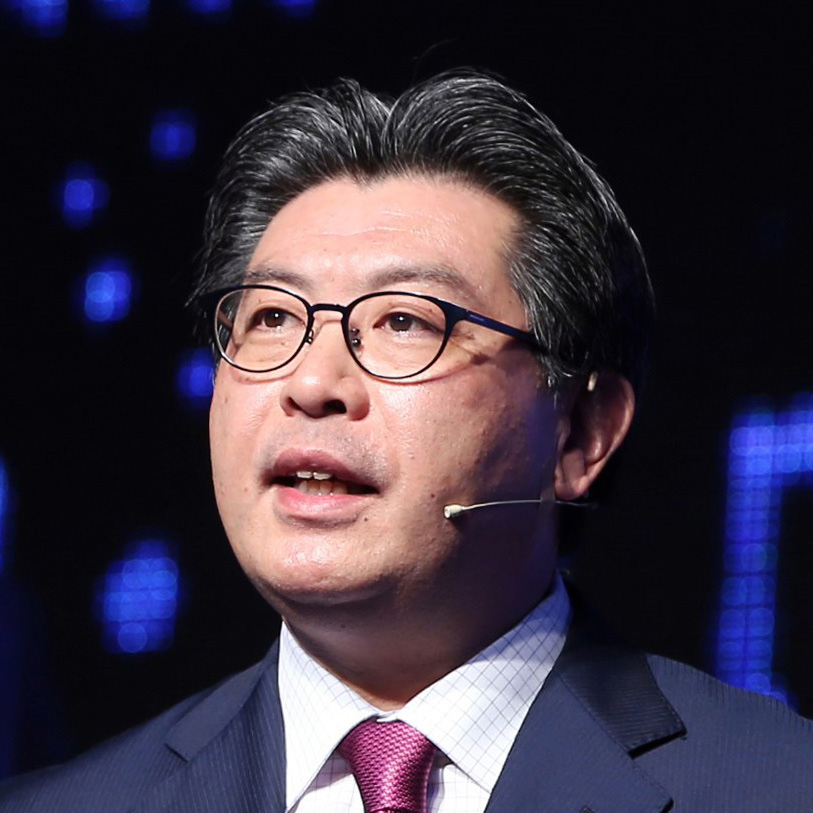
橋本道雄
Michio Hashimoto
エネルギー戦略アドバイザー
東京大学先端科学技術研究センター 教授
Energy Strategy Advisor
Professor at Research Center for Advanced Science and Technology, The University of Tokyo
Specialist in Japan’s next-generation energy strategy, with extensive experience in renewable energy policy and technology development at METI, IRENA, and NEDO.

木村達三郎
Tatsusaburo Kimura
エネルギーアドバイザー
東京大学先端科学技術研究センター
分野アドバイザー
Energy Advisor
Section Advisor at Research Center for Advanced Science and Technology, The University of Tokyo
水素エネルギーの専門家。水素の製造から利活用まで、脱炭素社会の実現に向けた技術と戦略に取り組む。
Hydrogen energy specialist, working on technologies and strategies for a carbon-neutral society, from hydrogen production to its use.

マックスフィッシャー
Max Fischer
プロダクトデザイナー
東京大学生産技術研究所 特任研究員
Product Designer
Project Researcher at Institute of industrial Science, The University of Tokyo
Designs hands-on tools and prototypes at the intersection of science and design.